Introduction
Many of us spend a large part of the day thinking about the past or worrying about the future.
We replay conversations, think about unfinished tasks, plan tomorrow’s schedule or imagine situations that haven’t even happened yet.
While this is a normal part of being human, constantly living in our thoughts can sometimes leave us feeling distracted, overwhelmed or stressed.
Mindfulness offers a different approach.
Rather than trying to stop your thoughts or empty your mind, mindfulness encourages you to pay attention to the present moment with openness and curiosity.
Over the past few decades, mindfulness has become increasingly recognised as a practical technique that may support stress management and overall well-being.
At 1% Movement, we believe mindfulness is another simple habit that can contribute to a healthier lifestyle. Like regular exercise or healthy eating, mindfulness is a skill that develops through consistent practice.
In this article, you’ll learn what mindfulness is, how it works and why many people choose to include it as part of their daily routine.
If you haven’t already, we recommend reading What Is Stress?, Healthy Ways to Manage Stress, and Breathing Exercises for Relaxation first.
What Is Mindfulness?
Mindfulness is the practice of intentionally paying attention to the present moment.
It involves noticing your thoughts, emotions, bodily sensations and surroundings without immediately judging them or reacting automatically.
Instead of becoming caught up in worries about the future or regrets about the past, mindfulness encourages you to focus on what is happening right now.
Mindfulness doesn’t require you to stop thinking.
Thoughts will naturally come and go.
The goal is simply to notice them and gently return your attention to the present moment.
Why Is Mindfulness Helpful?
Modern life is busy.
Many people constantly switch between emails, messages, meetings and responsibilities throughout the day.
This continuous mental activity can make it difficult to slow down.
Mindfulness provides an opportunity to pause.
By bringing your attention to the present moment, you may become more aware of your thoughts and emotions without immediately reacting to them.
Many people find that this greater awareness helps them respond to stressful situations more calmly.
Rather than trying to eliminate difficult emotions, mindfulness encourages acknowledging them with acceptance and curiosity.
Mindfulness Is More Than Meditation
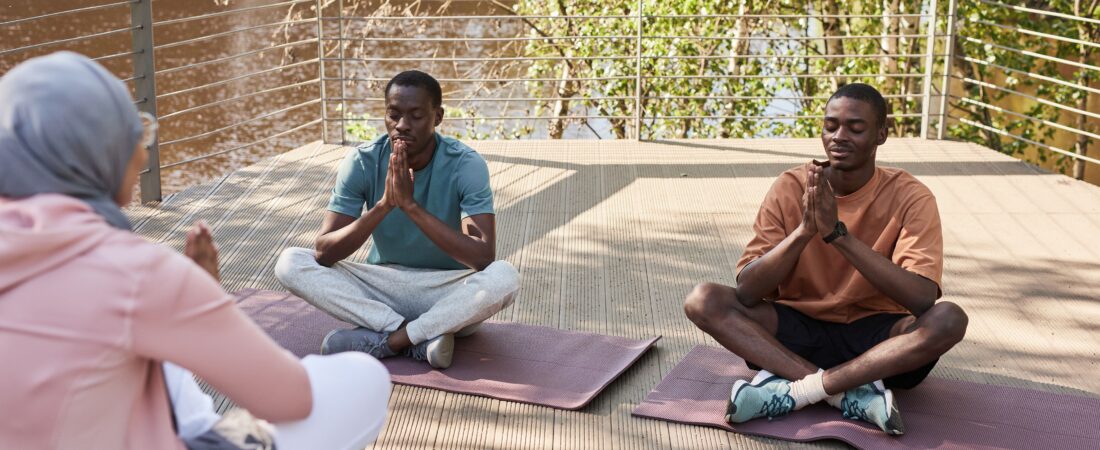
One of the biggest misconceptions about mindfulness is that it always involves sitting quietly and meditating for long periods.
While meditation is one way to practise mindfulness, it isn’t the only way.
Mindfulness can also be practised during everyday activities.
For example, you can practise mindfulness while:
- Walking.
- Eating a meal.
- Washing the dishes.
- Drinking a cup of tea.
- Stretching.
- Gardening.
- Listening to music.
The key is giving your full attention to the activity you’re doing instead of allowing your mind to wander constantly.
Potential Benefits of Mindfulness
Research suggests that regular mindfulness practice may support several aspects of health and well-being.
Potential benefits include:
- Helping manage everyday stress.
- Improving awareness of thoughts and emotions.
- Supporting emotional well-being.
- Improving concentration and attention.
- Encouraging relaxation.
- Supporting healthy lifestyle habits.
Individual experiences vary, and mindfulness isn’t a cure for every problem.
However, many people find it to be a valuable addition to their overall well-being routine.
Mindfulness and Stress
When we’re stressed, it’s easy to become caught in cycles of worrying or overthinking.
Mindfulness encourages you to notice these thoughts without becoming completely absorbed by them.
For example, instead of thinking:
“Everything is going wrong.”
You might simply notice:
“I’m having thoughts that I’m feeling overwhelmed right now.”
This small shift can create space between your thoughts and your reactions.
Although it doesn’t remove the stressful situation, it may help you respond more calmly and thoughtfully.
Mindfulness Can Be Practised Anywhere
One of the advantages of mindfulness is that it doesn’t require special equipment or a particular location.
You can practise mindfulness:
- At home.
- At work.
- While walking.
- During your lunch break.
- While waiting in a queue.
- Before going to sleep.
- During your morning routine.
Even a few minutes of mindful attention can become part of a healthy daily routine.
Like other healthy habits, consistency is often more important than duration.
A Simple Mindfulness Exercise
If you’re new to mindfulness, you can begin with a short exercise.
- Sit comfortably or stand in a relaxed position.
- Bring your attention to your breathing.
- Notice the sensation of each breath as you inhale and exhale.
- If your mind wanders, gently acknowledge the thought without judging yourself.
- Slowly return your attention to your breathing.
- Continue for one to three minutes.
You don’t need to stop your thoughts or “clear your mind.”
Simply noticing when your attention drifts and gently bringing it back is the practice itself.
How to Build a Mindfulness Habit
Like physical activity or healthy eating, mindfulness is most beneficial when practised regularly.
You don’t need to meditate for an hour each day to experience the benefits.
Instead, begin with small, manageable sessions.
For example:
- Spend two to five minutes focusing on your breathing.
- Practise mindful walking during your lunch break.
- Eat one meal each day without distractions.
- Pause for a minute before starting work.
- Take a few mindful breaths before going to sleep.
These simple practices can gradually become part of your daily routine.
Remember, consistency is more important than duration.
Mindfulness and Other Healthy Habits
Mindfulness doesn’t exist in isolation.
It works well alongside other healthy lifestyle behaviours.
For example, mindfulness can be practised while:
- Stretching.
- Walking outdoors.
- Eating meals.
- Performing breathing exercises.
- Drinking a cup of tea.
- Gardening.
- Listening to music.
Mindfulness may also support other Lifestyle Medicine pillars by encouraging greater awareness of your daily habits.
For instance, being more mindful may help you notice:
- When you’re eating because of hunger versus stress.
- When your body needs rest.
- When you’re feeling overwhelmed.
- When it’s time to take a movement break.
These small moments of awareness can help you make healthier choices throughout the day.
Mindfulness Is a Skill
Many beginners become discouraged because their minds continue to wander.
This is completely normal.
Mindfulness isn’t about preventing thoughts from appearing.
The practice is simply recognising when your attention has drifted and gently returning it to the present moment.
Every time you notice your mind wandering and bring it back, you’re practising mindfulness.
Like learning any new skill, mindfulness becomes more familiar with regular practice.
There is no such thing as “perfect” mindfulness.
Common Misconceptions About Mindfulness
“Mindfulness Means Emptying Your Mind”
No.
The goal of mindfulness isn’t to stop thinking.
Thoughts naturally come and go.
Mindfulness encourages you to notice your thoughts without becoming carried away by them.
“Mindfulness Is Only for Spiritual Practice”
Although mindfulness has historical roots in several contemplative traditions, it is also widely used today in healthcare, education and workplace well-being programmes as a practical skill for managing stress and improving awareness.
You don’t need to follow any particular belief system to practise mindfulness.
“You Need Lots of Free Time”
Not at all.
Mindfulness can be practised in just a few minutes.
Even short periods of mindful breathing or mindful walking can become valuable parts of your daily routine.
“I’m Bad at Mindfulness Because My Mind Wanders”
Everyone’s mind wanders.
In fact, noticing that your attention has wandered and gently bringing it back is the practice itself.
You don’t need to achieve perfect concentration for mindfulness to be worthwhile.
Frequently Asked Questions
How long should I practise mindfulness?
There is no fixed amount of time.
Many beginners start with 2 to 5 minutes each day and gradually increase the duration if they wish.
Even short periods of regular practice can become a meaningful habit.
Do I need to meditate to practise mindfulness?
No.
Meditation is one way to practise mindfulness, but you can also be mindful while walking, eating, stretching, gardening or carrying out many other everyday activities.
The key is paying attention to the present moment.
Can mindfulness help with stress?
Many people find mindfulness helpful for managing everyday stress.
It encourages greater awareness of thoughts and emotions and may help you respond to challenging situations more calmly.
However, mindfulness is one of many healthy strategies for supporting well-being and should not replace professional care when it is needed.
Is mindfulness suitable for everyone?
Many people enjoy practising mindfulness.
However, individuals with significant mental health concerns or those who find mindfulness distressing should discuss suitable approaches with a qualified healthcare professional or mental health provider.
Will mindfulness solve all my problems?
No.
Mindfulness doesn’t remove life’s challenges.
Instead, it is a skill that may help you become more aware of your thoughts, emotions and reactions, allowing you to respond more thoughtfully to everyday situations.
Key Takeaways
- Mindfulness is the practice of paying attention to the present moment with openness and curiosity.
- It can be practised during meditation or everyday activities such as walking, eating and stretching.
- Regular mindfulness practice may support stress management, emotional well-being and concentration.
- There is no need to empty your mind or achieve perfect focus—simply noticing when your attention wanders and gently returning it is the practice.
- Like other healthy habits, mindfulness develops through small, consistent practice over time.
Conclusion
Mindfulness is a simple yet powerful skill that encourages you to slow down and pay attention to the present moment.
Rather than trying to eliminate thoughts or avoid difficult emotions, mindfulness helps you become more aware of your experiences with curiosity and acceptance. Over time, this awareness may help you respond to everyday challenges with greater calm and resilience.
The encouraging news is that mindfulness doesn’t require special equipment or large amounts of time. Whether you’re focusing on your breathing, taking a mindful walk or simply giving your full attention to a daily activity, every moment of mindful awareness is an opportunity to care for your well-being.
At 1% Movement, we believe better health is built through small, sustainable habits. Mindfulness is another example of how simple daily practices can contribute to long-term physical and mental well-being—one moment, one breath and 1% at a time.