Introduction
Exercise snacks, sometimes referred to as movement snacks, are short bursts of physical activity performed throughout the day. Do you think one workout is enough to stay active? Do you spend most of your day sitting between your morning workout and bedtime? Looking for simple ways to move more without setting aside another hour for exercise?
Many people believe that being healthy is all about completing a workout each day.
While regular exercise is certainly important, what happens during the rest of the day also matters.
For example, someone might go for a 30-minute walk in the morning but then spend the next eight hours sitting at a desk. Another person might not have time for a long workout but finds small opportunities to move throughout the day.
This is where movement snacks come in.
Movement snacks are short bursts of physical activity that can be performed throughout the day. They are simple, practical and easy to fit into busy schedules.
In this article, you’ll learn what movement snacks are, why they matter and how small moments of movement can become an important part of a healthier lifestyle.
What Are Movement Snacks?
Movement snacks are exactly what they sound like—short periods of movement performed throughout the day.
Instead of waiting for one long workout, movement snacks encourage you to take advantage of small opportunities to move.
They usually last between:
- 30 seconds
- 1 minute
- 2 minutes
- 5 minutes
The goal isn’t to become exhausted or complete an intense workout.
Instead, movement snacks help break up long periods of sitting while encouraging more physical activity throughout the day.
Examples include:
- Walking to refill your water bottle.
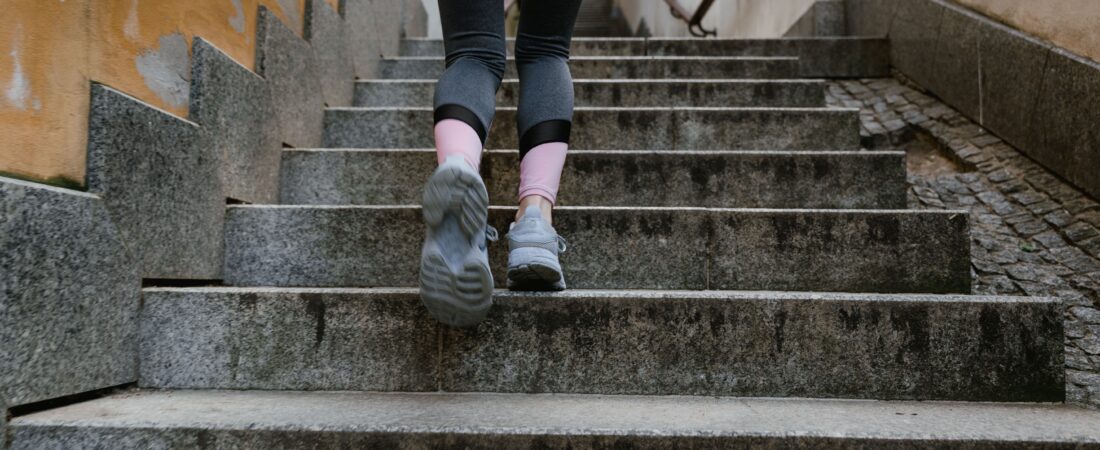
- Climbing a flight of stairs.
- Performing a few bodyweight squats.
- Rolling your shoulders.
- Stretching between meetings.
- Walking during a phone call.
These activities may seem small on their own, but together they can help create a more active workday.
Why Movement Snacks Matter
Many people think about physical activity as something that only happens during a workout.
However, movement doesn’t have to be limited to the gym.
Every time you stand up, walk across the office or stretch between tasks, you’re creating another opportunity to move.
These small movement opportunities accumulate throughout the day.
Rather than viewing exercise as one event, movement snacks encourage a different way of thinking:
Move a little.
Return to work.
Move again later.
Repeat throughout the day.
This approach fits particularly well for office workers, who often spend several hours sitting while working on a computer.
Movement snacks are not designed to replace structured exercise.
Instead, they complement activities such as walking, strength training, cycling or sports by helping you move more during the rest of the day.
1. Easy to Fit Into Busy Days
One of the biggest advantages of movement snacks is that they require very little time.
Many people struggle to find an uninterrupted hour for exercise.
However, finding one or two minutes to move is often much more realistic.
Movement snacks can easily fit into moments that already exist in your day.
For example:
- While waiting for your coffee to brew.
- Before joining an online meeting.
- After finishing a large task.
- During a short break.
- While waiting for lunch to heat up.
Instead of scrolling through your phone during these moments, you might choose to stand up, stretch or take a short walk.
Small choices like these gradually add more movement to your day without requiring major changes to your schedule.
2. Help Break Up Long Periods of Sitting
Modern work often involves long periods of sitting.
Whether you’re answering emails, attending meetings or working on reports, it’s easy to remain seated for several consecutive hours without noticing.
Movement snacks provide simple opportunities to interrupt this pattern.
For example, you might:
- Stand up after completing a task.
- Walk around the office.
- Perform a few shoulder circles.
- Stretch your legs.
- Refill your water bottle.
These short breaks encourage you to change positions regularly instead of remaining seated all day.
If prolonged sitting is something you’re concerned about, our article How Much Sitting Is Too Much? explains why breaking up uninterrupted sitting is an important part of maintaining an active lifestyle.
3. Don’t Require Special Equipment
Another reason movement snacks are so practical is that they require very little preparation.
You don’t need:
- A gym membership.
- Exercise machines.
- Special clothing.
- Large amounts of space.
Many movement snacks can be performed:
- At your desk.
- In your office.
- At home.
- In a hotel room.
- While travelling.
Because they are so convenient, movement snacks remove many of the barriers that prevent people from being more active.
Even something as simple as standing up and walking around your office for a few minutes can be considered a movement snack.
This simplicity is one of the reasons movement snacks are becoming increasingly popular among busy professionals.
4. Encourage Consistency
One of the biggest reasons movement snacks are effective is that they are easy to repeat.
Many people begin an ambitious exercise programme with good intentions but struggle to maintain it when life becomes busy.
Movement snacks take a different approach.
Instead of relying on one long workout, they encourage you to create multiple opportunities to move throughout the day.
For example, your day might look something like this:
- Walk to the printer.
- Stretch after a meeting.
- Climb the stairs instead of taking the lift.
- Take a short walk during lunch.
- Perform a few shoulder circles before heading home.
Each movement snack is small on its own, but together they help build a habit of moving more often.
Over time, this way of thinking can make movement feel like a natural part of your day rather than something that only happens during scheduled exercise.
5. Work Well Alongside Regular Exercise
It’s important to remember that movement snacks are not intended to replace regular exercise.
Instead, they complement it.
For example, you might:
- Go for a morning walk.
- Attend a gym session after work.
- Play a sport on weekends.
Movement snacks simply help you stay more active during the hours between those activities.
Think of them as another way to reduce prolonged sitting and encourage more movement throughout the day.
Regular exercise remains important for overall health and fitness, while movement snacks help fill the gaps between structured exercise sessions.
Simple Examples of Movement Snacks
You don’t need a complicated routine to get started.
Here are a few practical ideas you can use throughout the day:
- Walk to refill your water bottle.
- Perform 10 bodyweight squats.
- Roll your shoulders for 30 seconds.
- Complete a few hip circles.
- Walk while talking on the phone.
- Take the stairs instead of the lift when practical.
- Stretch your neck after a long meeting.
- Walk around the office before starting your next task.
- Stand up while reading a document.
- Perform a few calf raises while waiting for the kettle to boil.
The best movement snacks are often the ones that fit naturally into your existing routine.
Sample Office Day Using Movement Snacks
Here’s one example of how movement snacks can fit into a busy workday.
| Time | Movement Snack |
| 9:30 am | Shoulder circles for 1 minute |
| 11:00 am | Walk to refill your water bottle |
| 1:00 pm | Short walk after lunch |
| 3:00 pm | Hip circles and a few bodyweight squats |
| 5:00 pm | Walk around the office before heading home |
These activities require very little time but help create regular opportunities to move throughout the day.
You don’t have to follow this schedule exactly.
The goal is simply to find movement opportunities that suit your own work routine.
Common Mistakes
Thinking Movement Snacks Replace Exercise
Movement snacks are designed to complement regular exercise, not replace it.
Walking, strength training, cycling and other forms of exercise remain valuable parts of a healthy lifestyle.
Making Them Too Complicated
A movement snack doesn’t need to involve a detailed exercise routine.
Standing up, stretching or taking a short walk are all excellent examples.
Waiting Until You Feel Stiff
Many people only move after they begin feeling uncomfortable.
Instead, try building movement snacks into your day before stiffness develops.
Ignoring Consistency
A few movement snacks every day are often more beneficial than performing many exercises on one day and none for the rest of the week.
Small habits performed consistently are usually easier to maintain over the long term.
Frequently Asked Questions
What are movement snacks?
Movement snacks are short bursts of physical activity performed throughout the day.
They typically last between 30 seconds and five minutes and help increase daily movement.
How often should I take movement snacks?
There is no perfect schedule.
A practical goal is to create regular opportunities to stand, walk or stretch instead of remaining seated for several consecutive hours.
Can movement snacks replace exercise?
No.
Movement snacks are intended to complement regular exercise by helping you move more throughout the day.
Do movement snacks count as exercise?
Some movement snacks may contribute to your overall physical activity, but they are generally viewed as short movement opportunities rather than structured exercise sessions.
What are good movement snacks for office workers?
Simple examples include walking breaks, shoulder circles, bodyweight squats, stretching, climbing stairs and walking during phone calls.
Conclusion
Movement doesn’t only happen during workouts.
The small opportunities to move throughout your day matter too.
Movement snacks provide a simple and practical way to reduce prolonged sitting, encourage more physical activity and make movement a natural part of your daily routine.
The best part is that they require very little time and no special equipment.
Whether it’s a one-minute walk, a few shoulder circles or climbing a flight of stairs, these small actions can gradually add up over the course of a day.
Remember, you don’t have to move perfectly.
You simply have to move a little more, a little more often.