Introduction
Hip flexor stretches are among the most popular stretching exercises, especially for people who spend long hours sitting at a desk or driving. After prolonged sitting, it’s common to experience feelings of tightness or stiffness at the front of the hips, making everyday movements feel less comfortable.
The hip flexors are a group of muscles that help lift your knees, bend at the hips and support activities such as walking, climbing stairs and standing up from a chair. Because these muscles are used throughout the day, maintaining their flexibility can contribute to comfortable movement and an active lifestyle.
While stretching the hip flexors may help improve flexibility and temporarily reduce feelings of tightness, it’s important to recognise that stretching is only one part of healthy movement. Regular physical activity, strength training and breaking up long periods of sitting are also important for maintaining healthy hips.
In this article, you’ll learn what the hip flexors are, the potential benefits of hip flexor stretches, several beginner-friendly stretches and common mistakes to avoid.
What Are the Hip Flexors?
The hip flexors are a group of muscles located at the front of the hip and upper thigh.
Their main role is to lift your thigh toward your body and help bend your hip during movement.
The hip flexors are involved in many everyday activities, including:
- Walking
- Climbing stairs
- Running
- Standing up from a chair
- Getting into and out of a car
- Stepping over obstacles
Because these muscles are used frequently, they may feel tight after long periods of sitting or inactivity.
However, it’s important to remember that feelings of tightness don’t always mean the muscles are actually short. Factors such as muscle weakness, prolonged sitting and reduced movement can also contribute to discomfort or stiffness.
Benefits of Hip Flexor Stretches
Regular hip flexor stretching may provide several benefits when combined with an active lifestyle.
May Improve Flexibility
Stretching can gradually improve the flexibility of the hip flexor muscles over time.
Improved flexibility may make movements such as walking, lunging and bending feel more comfortable.
May Reduce Feelings of Tightness
Many people notice stiffness around the front of the hips after sitting for prolonged periods.
Gentle stretching may temporarily reduce these feelings of tightness and encourage more comfortable movement throughout the day.
Supports Everyday Movement
Flexible hip flexors contribute to many common daily activities, including:
- Walking
- Climbing stairs
- Standing from a seated position
- Getting in and out of a vehicle
- Squatting
- Household activities
Maintaining comfortable hip movement can help make these activities feel easier.
Complements Walking and Exercise
Hip flexor stretches are commonly included in routines for:
- Walking
- Running
- Cycling
- Strength training
- Recreational sports
Rather than replacing exercise, stretching complements these activities by helping maintain flexibility and comfortable movement.
Beginner-Friendly Hip Flexor Stretches
Several simple stretches can help improve hip flexor flexibility.
1. Half-Kneeling Hip Flexor Stretch
Begin in a half-kneeling position with one knee on the floor and the opposite foot placed in front.
Keeping your back upright, gently shift your weight forward until you feel a comfortable stretch at the front of the hip on the kneeling leg.
Avoid arching your lower back or leaning excessively forward.
Hold the stretch before repeating on the opposite side.
2. Standing Hip Flexor Stretch
Stand with one foot in front of the other.
Keeping your upper body upright, gently bend your front knee while extending your back leg slightly behind you.
You should feel a gentle stretch at the front of the hip of your back leg.
This variation may be more comfortable for people who have difficulty kneeling on the floor.
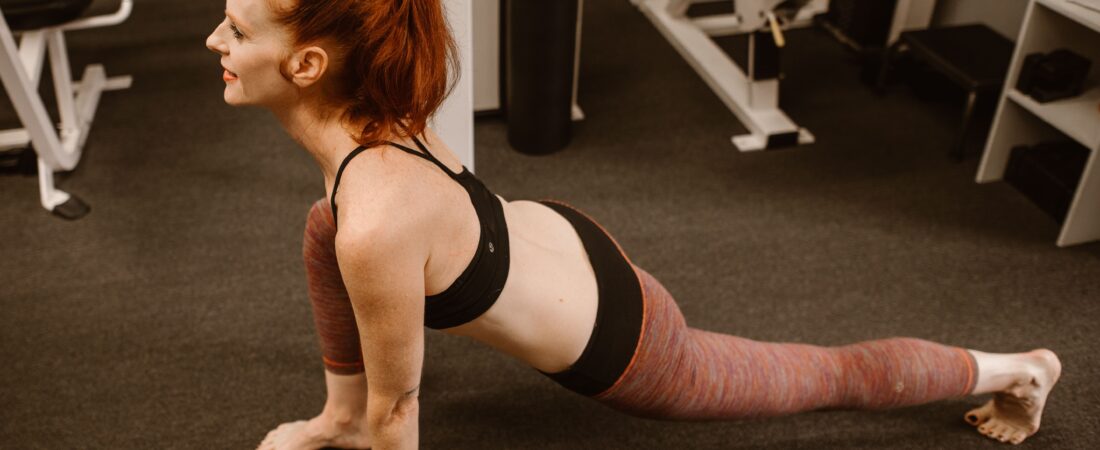
3. Low Lunge Stretch
Step one foot forward into a lunge position while lowering your back knee to the floor.
Slowly move your hips forward until you feel a stretch across the front of the hip on the kneeling side.
Keep your chest upright and avoid leaning excessively backwards.
Repeat on the opposite side.
How Long Should You Hold a Hip Flexor Stretch?
For general flexibility, many guidelines recommend holding a static hip flexor stretch for around 15 to 30 secondsbefore relaxing.
Repeat the stretch on both sides while focusing on smooth breathing and gentle tension rather than pain.
Improving flexibility takes time, so regular stretching several times each week is generally more beneficial than occasional long stretching sessions.
When Should You Stretch Your Hip Flexors?
Hip flexor stretches can be included at different times depending on your goals.
If you’re preparing for exercise, it’s generally recommended to perform a light warm-up followed by dynamic movements rather than prolonged static stretches.
After exercise, when your muscles are warm, static hip flexor stretches can be a useful part of your cool-down or flexibility routine.
You may also benefit from stretching your hip flexors after long periods of sitting, such as during work breaks or after long car journeys, to encourage movement and temporarily reduce feelings of stiffness.
The best time to stretch is the time that fits consistently into your routine.
Common Hip Flexor Stretching Mistakes
Using proper technique helps you stretch your hip flexors safely and effectively.
Arching Your Lower Back
One of the most common mistakes is leaning backwards or excessively arching the lower back while stretching.
Instead, keep your torso upright and gently move your hips forward. This places the stretch where it is intended—at the front of the hip.
Leaning Too Far Forward
Some people try to increase the stretch by pushing their body too far forward.
Stretch only until you feel mild tension in the front of the hip. Stretching beyond your comfortable range of motion is unlikely to improve flexibility more quickly and may increase discomfort.
Forgetting to Engage Your Core
Lightly engaging your abdominal muscles while stretching can help maintain good posture and reduce unnecessary movement through the lower back.
This often allows you to achieve a more effective stretch without excessive compensation.
Holding Your Breath
Breathing naturally is an important part of stretching.
Slow, relaxed breathing encourages your muscles to remain relaxed and may help make stretching feel more comfortable.
Sitting for Long Periods Without Moving
Stretching once or twice a day may not completely offset the effects of sitting for many hours.
If you work at a desk, try standing up and moving regularly throughout the day. Short walking breaks and simple mobility exercises complement stretching and support overall hip health.
Tips for Improving Hip Flexor Flexibility
Improving hip flexibility takes patience and consistency.
These simple habits may help:
- Stretch both hips evenly.
- Warm up before static stretching.
- Avoid forcing the movement.
- Break up long periods of sitting with regular movement.
- Include strength training for the hips and legs.
- Stay physically active through activities such as walking or cycling.
Remember that stretching works best when combined with an active lifestyle rather than performed in isolation.
Key Takeaways
- Hip flexor stretches may improve flexibility and reduce feelings of tightness.
- The hip flexors play an important role in walking, climbing stairs and many everyday movements.
- Stretch until you feel gentle tension—not pain.
- Avoid excessive arching of the lower back during stretches.
- Stretching should complement regular movement, strength training and good workplace habits.
Frequently Asked Questions
Why do my hip flexors feel tight?
Hip flexor tightness is commonly associated with prolonged sitting, reduced physical activity or muscle fatigue. However, feelings of tightness don’t always mean the muscles are actually shortened. Regular movement, stretching and strengthening exercises can all help improve comfort.
How often should I stretch my hip flexors?
For most people, stretching two to three times per week is enough to improve or maintain flexibility. Gentle daily stretching may also be appropriate, particularly if you spend long hours sitting.
Should hip flexor stretches be painful?
No.
You should feel gentle tension at the front of your hip, but stretching should never cause sharp pain. If it does, reduce the intensity or stop the stretch.
Can stretching improve hip mobility?
Stretching may improve flexibility, which is one component of mobility. However, mobility also depends on strength, stability and movement control. Combining stretching with mobility exercises and strength training provides a more balanced approach.
Are hip flexor stretches good for office workers?
Yes.
Office workers often spend prolonged periods sitting, which may contribute to feelings of hip stiffness. Regular movement breaks and gentle hip flexor stretches can help promote comfortable movement throughout the day.
Final Thoughts
Hip flexor stretches are a simple way to support flexibility and maintain comfortable movement, especially if you spend much of your day sitting. While stretching may temporarily reduce feelings of tightness, it works best as part of a broader approach that includes regular movement, strength training and healthy daily habits.
Rather than waiting until your hips feel stiff, consider making hip stretches part of your regular routine. Combined with walking, mobility exercises and an active lifestyle, they can help you move more comfortably and confidently over time.
Related Articles