Introduction
Do you think you need a gym membership to be healthy? Perhaps you don’t enjoy gym environments, feel intimidated by fitness equipment or simply don’t have enough time to travel to and from a gym.
If so, you’re not alone. Many people assume that getting fit requires expensive memberships, specialised equipment or spending hours exercising in a gym. As a result, they delay becoming more active because they believe they lack the necessary resources.
The reality is that physical activity can happen almost anywhere. While gyms can be useful, they are not the only way to improve your health and fitness. In fact, many effective forms of exercise require little or no equipment at all.
In this article, we’ll explore simple ways to stay active without ever stepping foot inside a gym.
Do You Actually Need a Gym?
The short answer is no.
Gyms provide a convenient environment for exercise because they offer equipment, classes and structured workout spaces. For some people, these features are extremely helpful.
However, physical activity is not limited to a gym setting. Humans have been walking, running, climbing, carrying and moving long before fitness centres existed.
Many forms of exercise can be performed at home, outdoors or throughout daily life. Walking, cycling, sports, bodyweight exercises and movement breaks can all contribute to improved health and fitness.
The most important factor is not where you exercise. The most important factor is whether you move consistently.
1. Walk More
Walking is one of the simplest and most accessible forms of physical activity.
It requires no special skills, no expensive equipment and very little planning. Most people can incorporate walking into their day regardless of age or fitness level.
You can increase your walking by taking short walking breaks during work, walking during phone calls or choosing to walk short distances instead of driving.
Another effective strategy is walking after meals. A short walk after lunch or dinner can help increase daily movement while reducing time spent sitting.
The beauty of walking is that it fits naturally into everyday life. You do not need to schedule an official workout session to benefit from it.
2. Use Exercise Snacks
Exercise snacks are short bursts of movement performed throughout the day.
Instead of setting aside a large block of time for exercise, exercise snacks allow you to accumulate movement in small chunks. These sessions often last between one and ten minutes and can be performed almost anywhere.
Examples include:
- Bodyweight squats
- Calf raises
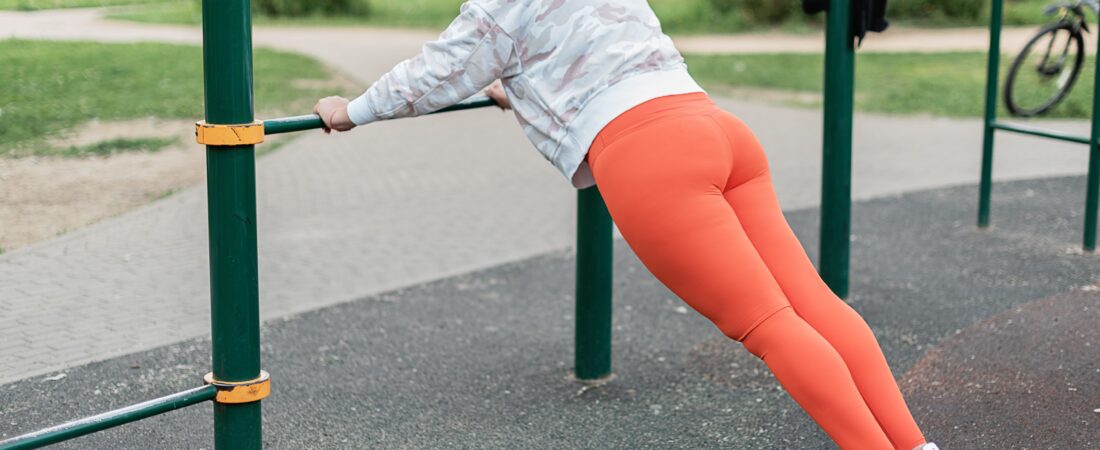
- Push-ups
- Lunges
- Stair climbing
- Short walking breaks
Exercise snacks are especially useful for busy professionals who spend long hours sitting.
A few minutes of movement may not seem significant, but repeated throughout the day, these small actions can add up.
3. Take the Stairs
Taking the stairs is one of the easiest ways to increase physical activity without adding extra time to your schedule.
Most people encounter stairs at work, shopping centres, apartment buildings or public transport stations. Choosing stairs instead of elevators or escalators provides an opportunity to engage the muscles of the legs while increasing heart rate.
The best part is that it requires no special planning. You simply take advantage of opportunities that already exist in your daily routine.
While a single flight of stairs may seem insignificant, small actions repeated consistently can contribute to meaningful increases in activity levels.
4. Do Home Workouts
Home workouts have become increasingly popular because they are convenient and flexible.
Many effective exercises can be performed using only body weight. Examples include:
- Squats
- Lunges
- Push-ups
- Planks
- Glute bridges
- Mountain climbers
These exercises can be combined into a short workout lasting 10 to 30 minutes depending on your fitness level and available time.
One advantage of home workouts is that they remove common barriers such as travel time, gym fees and crowded facilities.
You can exercise whenever it fits your schedule.
5. Walk or Run Outdoors
Outdoor exercise is another excellent alternative to the gym.
Parks, neighbourhoods, walking trails and running tracks provide opportunities for physical activity without requiring a membership.
Walking outdoors can be relaxing and accessible for beginners, while running offers a more vigorous form of exercise for those seeking a greater challenge.
Some people also find outdoor exercise more enjoyable because it provides fresh air and a change of scenery.
The best option is often the one you enjoy enough to perform consistently.
6. Stretch Throughout the Day
Stretching is not a substitute for exercise, but it can help introduce movement into your day.
Many people spend hours sitting at a desk, leading to feelings of stiffness in the neck, shoulders, back and hips. Taking a few minutes to stretch can help break up long periods of sitting and encourage gentle movement.
Simple stretches for the neck, shoulders, chest and hips can be performed at home or during work breaks.
Stretching may be particularly useful for office workers who spend much of the day in the same position.
7. Make Movement Part of Daily Life
One of the most effective strategies is to stop thinking of movement as something that only happens during workouts.
Instead, look for opportunities to move throughout the day.
Examples include:
- Parking further away from entrances
- Walking while talking on the phone
- Carrying groceries
- Taking the stairs
- Doing household chores
- Walking to nearby destinations
These activities may not feel like formal exercise, but they still contribute to daily movement.
Often, the people who stay most active are not necessarily those who spend the most time exercising. They are simply the people who move more throughout the day.
Common Mistakes
Thinking Exercise Must Be Perfect
Many people believe they need the perfect workout plan before they start.
In reality, simple and consistent movement is often more effective than complicated plans that are never followed.
Waiting for Motivation
Motivation comes and goes.
If you wait until you feel motivated, you may spend a long time waiting. Instead, focus on creating habits that make movement part of your routine.
Sitting All Day Then Exercising for 30 Minutes
A 30-minute workout is valuable, but it does not automatically erase the effects of sitting for the other 15 hours of the day.
Regular movement throughout the day remains important even if you exercise regularly. Learn more in Why Sitting All Day Is Bad for Your Health.
Frequently Asked Questions
Can I Get Fit Without a Gym?
Yes. Walking, running, home workouts, sports and exercise snacks can all improve fitness without requiring a gym membership.
Is Walking Enough?
Walking is one of the most accessible forms of physical activity and can contribute significantly to overall health. For many people, walking is an excellent place to start.
Are Home Workouts Effective?
Yes. Bodyweight exercises such as squats, lunges and push-ups can be effective when performed consistently and progressed appropriately.
What If I Only Have 10 Minutes?
Ten minutes is better than zero. Short bouts of movement performed consistently can accumulate over time.
Do I Need Equipment?
No. Many forms of physical activity require little or no equipment at all.
Conclusion
You do not need a gym membership to become healthier.
Walking, exercise snacks, stretching, home workouts and daily movement habits can all contribute to a more active lifestyle. The most important thing is not where you exercise but whether you move regularly.
Remember that fitness does not have to be complicated. Small actions performed consistently often produce meaningful results over time.
If you’re currently inactive, choose one strategy from this article and start today. A short walk, a few squats or a stretch break may be all it takes to begin building a healthier and more active lifestyle.
Ready to Take the Next Step?
If you enjoyed this guide, download the Free Healthy Living Starter Kit.
Inside you’ll learn how to:
- ✔ Build healthier habits
- ✔ Move more throughout the day
- ✔ Stay active with a busy schedule
- ✔ Create lasting routines