Introduction
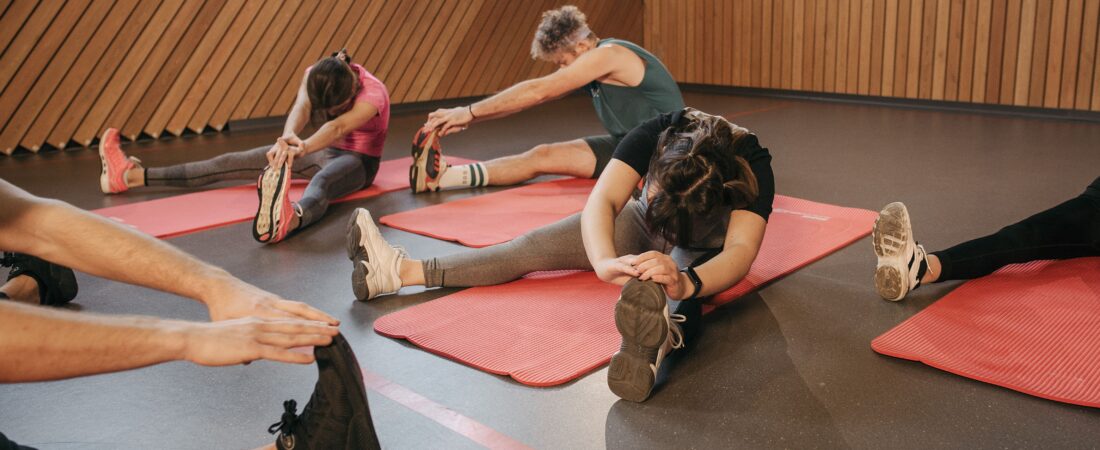
Stretching has long been included in exercise routines, sports training and rehabilitation programmes. Yet many people still wonder whether it’s actually beneficial or simply an optional part of staying active.
While stretching is unlikely to solve every movement problem or prevent all injuries, research suggests it can play an important role in maintaining flexibility, supporting joint movement and helping people feel more comfortable during everyday activities.
The benefits of stretching often develop gradually through regular practice rather than after a single session. Even a few minutes of stretching several times each week may contribute to improved movement, particularly when combined with regular physical activity and strength training.
It’s also important to recognise what stretching can and cannot do. Stretching is one component of a balanced exercise programme—not a replacement for aerobic exercise, strength training or healthy lifestyle habits.
In this article, we’ll explore the science-backed benefits of stretching and explain how it can support your long-term movement and overall health.
1. Helps Improve Flexibility
One of the most well-established benefits of stretching is improving flexibility.
Flexibility refers to the ability of muscles and other soft tissues to lengthen, allowing joints to move through their available range of motion.
With regular stretching, many people gradually notice improvements in flexibility over time. This may make movements such as bending down, reaching overhead or squatting feel more comfortable.
Improving flexibility is especially valuable for people who spend long periods sitting or have become less active over time.
2. Helps Maintain Joint Range of Motion
Healthy movement depends not only on muscle flexibility but also on maintaining joint range of motion.
Regular stretching may help preserve the ability of joints to move comfortably through their normal range, particularly when combined with regular physical activity.
Maintaining joint movement becomes increasingly important with age, as reduced activity and prolonged sitting may contribute to feelings of stiffness.
3. May Reduce Feelings of Stiffness
Many people experience stiffness after sitting at a desk, travelling or remaining inactive for several hours.
Gentle stretching encourages movement and may temporarily reduce these feelings of stiffness, making it easier to return to everyday activities.
This is one reason why many people enjoy stretching after long periods of sitting or first thing in the morning.
4. Supports Everyday Movement
Stretching isn’t only useful during exercise.
Good flexibility can make many daily activities feel easier, including:
- Getting out of bed.
- Climbing stairs.
- Reaching high shelves.
- Picking objects up from the floor.
- Carrying groceries.
- Playing with children.
By supporting comfortable movement, stretching may help people remain active and independent throughout life.
5. Complements Other Forms of Exercise
Stretching works best when combined with other healthy movement habits.
For example, it complements:
- Walking
- Strength training
- Cycling
- Swimming
- Recreational sports
Rather than replacing these activities, stretching helps support comfortable movement that may make participating in exercise more enjoyable.
For this reason, many people include stretching as one part of a balanced fitness routine.
6. May Encourage Better Posture
Poor posture is influenced by many factors, including muscle strength, movement habits and the amount of time spent sitting. Stretching alone is unlikely to correct posture, but it may help reduce muscle tightness that contributes to feelings of stiffness.
For example, people who spend long hours sitting may develop tightness in the chest or hip flexors. Stretching these muscles, alongside strengthening exercises and regular movement, may help support more comfortable posture over time.
Rather than viewing stretching as a cure for poor posture, it’s better to see it as one part of a balanced movement programme.
7. May Help You Feel More Relaxed
Many people find stretching to be a calming activity.
Performing slow, controlled stretches while focusing on your breathing may help you unwind after a busy day or following exercise. For this reason, some people enjoy including stretching in their evening routine as a way to relax before bedtime.
Although the relaxation people experience can vary, stretching offers an opportunity to slow down, become more aware of your body and take a break from prolonged sitting or screen time.
8. Supports Healthy Ageing
Maintaining mobility and flexibility becomes increasingly important as we get older.
Ageing is often associated with gradual reductions in muscle flexibility and joint movement, which may make everyday activities more challenging.
Regular stretching, combined with strength training and physical activity, can help older adults maintain comfortable movement and support independence in daily life.
9. Encourages Consistent Movement Habits
One of the most valuable benefits of stretching may have little to do with flexibility itself.
Stretching can become a simple daily habit that reminds you to move your body.
For many people, a short stretching routine naturally leads to other healthy behaviours such as:
- Going for a walk.
- Exercising regularly.
- Taking movement breaks during work.
- Becoming more aware of posture and movement throughout the day.
Building consistent movement habits often has a greater long-term impact on health than any single stretching session.
10. Complements a Healthy Lifestyle
Stretching is most effective when it’s part of a balanced approach to health.
For the greatest benefits, combine stretching with:
- Regular aerobic exercise.
- Strength training.
- Adequate sleep.
- A balanced diet.
- Stress management.
- Regular daily movement.
Together, these healthy habits support long-term physical function, overall well-being and an active lifestyle.
Key Takeaways
- Stretching can improve or maintain flexibility.
- It may help maintain joint range of motion and reduce feelings of stiffness.
- Stretching supports comfortable everyday movement.
- It complements walking, strength training and other forms of exercise.
- Stretching alone is not a substitute for regular physical activity.
- The greatest benefits come from consistent practice over time.
Frequently Asked Questions
Is stretching really beneficial?
Yes.
Regular stretching can improve or maintain flexibility, support comfortable movement and help reduce feelings of stiffness. It works best when combined with regular physical activity and strength training.
How long does it take to see the benefits of stretching?
The timeline varies between individuals, but many people begin noticing gradual improvements in flexibility after several weeks of consistent stretching.
Is stretching better than strength training?
No.
Stretching and strength training serve different purposes. Stretching focuses on flexibility and movement, while strength training improves muscle strength and function. Both are important components of a balanced exercise programme.
Can stretching replace exercise?
No.
Although stretching provides several benefits, it does not replace the cardiovascular, muscular and metabolic benefits of activities such as walking, cycling or strength training.
Do I need to stretch if I’m already active?
It depends on your goals.
Many active people include stretching to maintain flexibility and support comfortable movement. However, the amount of stretching needed varies between individuals and activities.
Final Thoughts
Stretching is a simple, accessible activity that can support flexibility, comfortable movement and an active lifestyle. While it isn’t a cure-all or a replacement for other forms of exercise, it offers meaningful benefits when practised consistently.
The key is to have realistic expectations. Stretching won’t prevent every injury or solve every movement problem, but it can help maintain flexibility, reduce feelings of stiffness and make everyday movement more comfortable.
When combined with regular physical activity, strength training and other healthy lifestyle habits, stretching becomes another valuable tool for supporting long-term health and movement.