Introduction
Walking is one of the simplest ways to become more active, but many walking routes are shared with other people. Parks, footpaths, nature trails and neighbourhood sidewalks may also be used by runners, cyclists, families, dog owners and other pedestrians.
Practising good walking etiquette helps create a safer and more enjoyable environment for everyone. Small actions such as staying aware of your surroundings, respecting personal space and being considerate of others can make shared walking areas more pleasant.
At 1% Movement, we believe healthy communities are built through both movement and mutual respect. Walking isn’t only about improving your own health it’s also about sharing public spaces responsibly.
In this guide, you’ll learn simple walking etiquette tips that help make every walk safer, more enjoyable and more respectful for everyone around you.
Stay Aware of Your Surroundings
One of the most important habits is simply paying attention.
Avoid becoming completely distracted by:
- Mobile phones.
- Loud music.
- Messages.
- Social media.
Remaining aware of your surroundings makes it easier to notice:
- Other walkers.
- Cyclists.
- Children.
- Pets.
- Road crossings.
Awareness helps everyone share the space more safely.
Keep to One Side of the Path
When walking on shared paths, staying to one side helps other people pass comfortably.
If you’re walking with friends or family:
- Avoid spreading across the entire path.
- Walk in a way that leaves space for others.
- Move aside if the path becomes narrow.
Simple courtesy helps reduce congestion and makes shared paths more enjoyable.
Be Courteous When Passing Others
Sometimes you’ll need to overtake another walker.
When passing:
- Leave adequate space if possible.
- Pass at a comfortable pace.
- Offer a polite greeting if appropriate.
- Avoid sudden movements that might startle others.
Likewise, if someone is passing you, allowing space makes the experience easier for everyone.
Respect Cyclists and Other Path Users
Many walking paths are shared with cyclists and runners.
Stay predictable by:
- Walking in a straight line when possible.
- Avoiding sudden changes in direction.
- Remaining aware of approaching path users.
Everyone benefits when shared spaces are used respectfully.
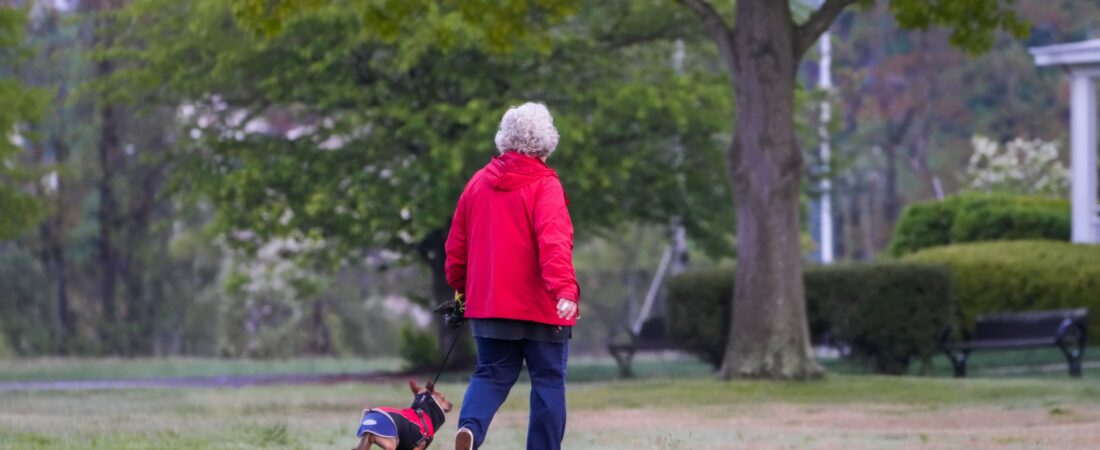
Keep Dogs Under Control
If you walk with a dog:
- Follow local leash regulations.
- Prevent your dog from blocking the path.
- Clean up after your pet.
- Be considerate of people who may feel uncomfortable around dogs.
Responsible pet ownership helps create welcoming public spaces.
Avoid Blocking the Path
When stopping to:
- Talk with friends.
- Check your phone.
- Take photographs.
- Rest.
Move to the side of the path whenever possible so others can continue walking safely.
Respect Nature and Public Spaces
If you’re walking in parks, nature reserves or walking trails, remember that these spaces are shared not only with other people but also with local wildlife.
Simple ways to show respect include:
- Stay on marked paths whenever possible.
- Avoid damaging plants or vegetation.
- Dispose of rubbish properly.
- Follow local park or trail regulations.
- Leave the area as you found it.
Looking after these spaces helps ensure they remain enjoyable for everyone.
Be Considerate When Using Headphones
Listening to music, podcasts or audiobooks can make walking more enjoyable, but it’s important not to become completely unaware of your surroundings.
If you wear headphones:
- Keep the volume at a reasonable level.
- Stay alert for cyclists, vehicles and other pedestrians.
- Remove one earbud if you’re walking in busy or unfamiliar areas.
Being able to hear what’s happening around you contributes to a safer walking experience.
Respect Different Walking Speeds
Everyone walks for different reasons.
Some people are:
- Exercising.
- Recovering from an injury.
- Walking with young children.
- Enjoying a leisurely stroll.
- Training for longer events.
Be patient and allow others to move at their own pace.
Avoid becoming frustrated if someone walks more slowly than you.
Follow Local Rules and Signs
Different parks, trails and public spaces may have specific rules.
These might include:
- Shared path directions.
- Dog leash requirements.
- Cycling regulations.
- Opening hours.
- Restricted areas.
Taking a moment to read local signs helps create a safer and more enjoyable environment for everyone.
Common Beginner Mistakes
Walking While Distracted
Looking at your phone while walking may reduce your awareness of other people, cyclists and obstacles.
If you need to send a message or check directions, stop walking before using your phone.
Blocking Shared Paths
Stopping suddenly in the middle of a pathway can inconvenience others and create unnecessary hazards.
Whenever possible, step to the side before stopping.
Forgetting That Others Share the Space
Walking routes are used by people with different goals, abilities and mobility levels.
Being patient and considerate helps everyone enjoy the same public spaces.
Assuming Everyone Walks at the Same Pace
Some walkers are exercising while others are simply enjoying a relaxed outing.
Respecting different walking speeds makes shared paths more comfortable for everyone.
Frequently Asked Questions
Should I greet other walkers?
This depends on local culture and the environment.
In many neighbourhoods and walking trails, a simple smile, nod or friendly greeting is considered polite, but it isn’t expected everywhere.
What should I do if I need to stop?
If possible, move to the side of the path before stopping to rest, check your phone or have a conversation.
This allows other people to continue walking safely.
Who has priority on shared paths?
Rules vary depending on your location and the type of path.
Always follow local signs and regulations, remain aware of your surroundings and be courteous to other path users.
Is it okay to wear headphones while walking?
Yes, provided you remain aware of your surroundings.
Keep the volume at a level that still allows you to hear approaching cyclists, vehicles or other pedestrians.
Why is walking etiquette important?
Good walking etiquette helps create safer, more welcoming public spaces.
Simple acts of courtesy make shared paths more enjoyable for everyone.
Key Takeaways
Good walking etiquette is about showing respect for both people and shared spaces.
Remember these key points:
- Stay aware of your surroundings.
- Keep to one side of shared paths where appropriate.
- Give others space when passing.
- Respect cyclists, runners and other pedestrians.
- Follow local rules and signs.
- Keep dogs under control and clean up after them.
- Avoid blocking pathways.
- Be patient with people walking at different speeds.
- Respect nature and public spaces.
Small acts of courtesy help create safer and more enjoyable walking environments for everyone.
Continue Your Journey
Continue exploring our beginner-friendly walking guides:
- Walking Safety Tips
- Common Walking Mistakes
- Walking in Bad Weather
- Choosing the Right Walking Shoes
- Beginner’s Guide to Walking for Fitness
- Benefits of Walking Every Day
- Walking & Cardiovascular Health
These resources will help you build not only a healthier walking routine but also one that is safe, enjoyable and respectful of others.
Final Thoughts
Walking is more than just a form of exercise—it’s also a way of sharing public spaces with other people. A little patience, awareness and courtesy can make parks, footpaths and trails safer and more enjoyable for everyone.
At 1% Movement, we believe healthy habits extend beyond physical activity. Respecting others, caring for shared environments and practising good walking etiquette are all part of building a positive movement culture.
Whether you’re taking a short walk through your neighbourhood or exploring a scenic trail, remember that every walk is an opportunity to contribute to a healthier, friendlier community one step at a time.
Last Updated: July 2026