Introduction
Water is something most of us rarely think about until we’re thirsty.
Yet every cell, tissue and organ in your body depends on water to function properly. From regulating body temperature and transporting nutrients to supporting digestion and removing waste products, water plays a vital role in maintaining good health.
Despite its importance, many people don’t drink enough fluids throughout the day. Busy schedules, hot weather, exercise and simply forgetting to drink water can all contribute to dehydration.
The good news is that staying hydrated doesn’t have to be complicated.
By understanding why hydration matters and developing simple daily habits, you can support your body’s normal functions and maintain better overall health.
At 1% Movement, we believe hydration is one of the simplest healthy habits you can build. Small actions, such as carrying a water bottle or choosing water with meals, can make a meaningful difference over time.
In this article, you’ll learn why hydration is important, how water supports your body and practical ways to stay hydrated every day.
If you haven’t already, we recommend reading What Is a Balanced Diet? and Healthy Eating for Beginners first.
Why Does Your Body Need Water?
Water makes up a large proportion of the human body and is involved in almost every major bodily function.
Your body uses water to:
- Regulate body temperature.
- Transport nutrients and oxygen.
- Remove waste products.
- Support digestion.
- Lubricate joints.
- Protect organs and tissues.
- Maintain normal blood volume.
Because your body continuously loses water through breathing, sweating and urination, these losses need to be replaced regularly through fluids and water-rich foods.
What Is Hydration?
Hydration refers to maintaining an appropriate balance of water in the body.
When your body has enough water to carry out its normal functions, you’re considered well hydrated.
When fluid losses exceed fluid intake, dehydration can occur.
Even mild dehydration may affect how you feel and perform during everyday activities.
Fortunately, staying hydrated is usually as simple as drinking fluids regularly throughout the day.
Benefits of Staying Hydrated
Maintaining good hydration supports many aspects of health.
Some of the key benefits include:
Supporting Normal Body Function
Water is involved in countless chemical reactions throughout the body.
Without enough water, many normal processes cannot function efficiently.
Regulating Body Temperature
When you become warm, your body produces sweat.
As sweat evaporates from your skin, it helps cool your body and maintain a healthy body temperature.
This process becomes especially important during hot weather or physical activity.
Supporting Physical Activity
During exercise, your body loses fluid through sweat.
Replacing these fluid losses helps maintain hydration and supports normal physical function during and after activity.
The amount of fluid needed varies depending on factors such as exercise intensity, duration and environmental conditions.
Supporting Digestion
Water helps food move through the digestive system and contributes to normal digestive function.
Adequate fluid intake, together with a diet rich in fibre, supports healthy bowel function.
Supporting Brain Function
The brain also depends on adequate hydration.
Some people may notice that they find it harder to concentrate or feel less alert when they haven’t consumed enough fluids.
Maintaining regular fluid intake helps support normal cognitive function throughout the day.
How Much Water Do You Need?
One of the most common questions people ask is:
“How much water should I drink each day?”
The answer isn’t the same for everyone.
Fluid requirements vary depending on factors such as:
- Age.
- Sex.
- Body size.
- Physical activity level.
- Climate.
- Overall health.
- Pregnancy and breastfeeding.
Rather than focusing on a single number, many health organisations recommend drinking enough fluids to replace normal daily losses and adjusting intake based on your individual circumstances.
For example, you may need more fluids during hot weather or when exercising.
Water Isn’t Your Only Source of Fluids
Although water is usually the best choice for hydration, it isn’t the only source of fluids.
You also obtain water from:
- Milk.
- Tea.
- Coffee.
- Soups.
- Fruits.
- Vegetables.
Foods such as watermelon, oranges, cucumbers and tomatoes naturally contain large amounts of water and contribute to your overall fluid intake.
For most people, however, plain water remains the simplest and healthiest way to stay hydrated throughout the day.
Signs of Dehydration
Your body has ways of letting you know when it needs more fluids.
One of the earliest signs is thirst, but there are other indicators that may suggest you’re becoming dehydrated.
Common signs of mild dehydration include:
- Feeling thirsty.
- Dry mouth or lips.
- Dark yellow urine.
- Passing urine less often than usual.
- Feeling tired or lacking energy.
- Headache.
- Difficulty concentrating.
- Feeling dizzy or light-headed.
These signs don’t always mean dehydration is the cause, but they can indicate that your body may need more fluids.
If you experience severe symptoms or suspect significant dehydration, seek medical advice promptly.
Practical Ways to Stay Hydrated
Fortunately, staying hydrated doesn’t have to be difficult.
Simple daily habits can make it easier to drink enough fluids.
Carry a Reusable Water Bottle
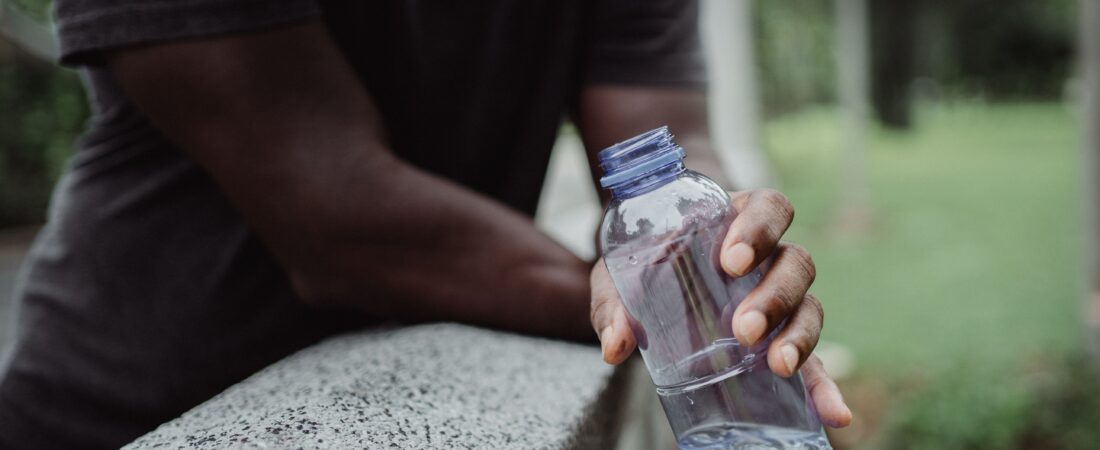
Having water nearby serves as a visual reminder to drink regularly throughout the day.
Refill your bottle whenever it’s empty to encourage consistent fluid intake.
Drink Water with Meals
A simple habit is to drink a glass of water during or after each meal.
This helps spread your fluid intake across the day without needing to remember specific targets.
Drink Before, During and After Physical Activity
Exercise increases fluid losses through sweating.
Depending on the intensity, duration and weather conditions, you may need additional fluids before, during and after physical activity.
Listening to your body’s thirst signals and replacing lost fluids is an important part of staying hydrated.
Eat Water-Rich Foods
Many fruits and vegetables naturally contain large amounts of water.
Examples include:
- Watermelon.
- Strawberries.
- Oranges.
- Cucumbers.
- Tomatoes.
- Lettuce.
- Celery.
Including these foods as part of a balanced diet can contribute to your overall fluid intake.
Keep Water Easily Accessible
People often drink more water when it’s convenient.
Keeping a bottle on your desk, in your bag or in your car can make it easier to stay hydrated throughout the day.
Small changes to your environment often make healthy habits easier to maintain.
Does Tea and Coffee Count?
Many people wonder whether tea and coffee contribute to hydration.
For most healthy adults, yes.
Although these beverages contain caffeine, moderate amounts of tea and coffee still contribute to your daily fluid intake.
However, plain water remains the best choice for most of your daily hydration because it contains no added sugar and is readily available.
If you enjoy tea or coffee, they can be part of a healthy hydration routine when consumed in moderation.
Common Hydration Myths
“Everyone Needs Exactly Eight Glasses of Water Each Day”
Not necessarily.
Fluid requirements vary depending on your:
- Age.
- Body size.
- Activity level.
- Climate.
- Overall health.
Rather than aiming for a fixed number that suits everyone, focus on drinking regularly throughout the day and increasing your intake when needed, such as during hot weather or physical activity.
“You Only Need to Drink When You’re Thirsty”
Thirst is an important signal that your body needs fluids.
However, older adults, young children and people exercising in hot environments may benefit from paying closer attention to their fluid intake, as thirst may not always reflect their hydration needs.
Developing regular drinking habits can help maintain hydration throughout the day.
“Sports Drinks Are Better Than Water”
For most everyday activities and moderate exercise, water is usually sufficient.
Sports drinks may be useful during prolonged or high-intensity exercise lasting well over an hour, particularly when substantial sweat losses occur.
For the average person, however, water remains the simplest and healthiest choice.
“Clear Urine Means You’re Perfectly Hydrated”
Urine colour can provide a general indication of hydration, but it isn’t a perfect measure.
Many factors—including certain foods, supplements and medications—can also influence urine colour.
Rather than relying on one sign alone, consider your overall fluid intake, thirst and how you’re feeling.
Frequently Asked Questions
Is water better than other drinks?
For most people, water is the best choice because it hydrates without adding sugar or unnecessary kilojoules (calories).
Other drinks can contribute to fluid intake, but water should generally be your main source of hydration.
Can I drink too much water?
Yes, although it’s uncommon for most healthy adults.
Drinking extremely large amounts of water in a short period can disrupt the body’s normal balance of sodium and other electrolytes.
Most people can simply drink according to their needs, increasing fluid intake during hot weather or physical activity.
How can I tell if I’m drinking enough?
A combination of factors can help.
Regular urination, pale yellow urine for many people, not frequently feeling thirsty and maintaining normal daily function are all general signs that your fluid intake is likely to be adequate.
Individual needs vary, so pay attention to your body’s signals.
Do children and older adults need special attention?
Yes.
Young children and older adults may have different hydration needs and may be more vulnerable to dehydration in certain situations.
Caregivers should encourage regular fluid intake, especially during hot weather or illness.
Should I drink more water when exercising?
Usually, yes.
Physical activity increases fluid loss through sweating, particularly during longer sessions or in hot and humid environments.
Replacing lost fluids before, during and after exercise helps support normal body function and recovery.
Key Takeaways
- Water is essential for regulating body temperature, transporting nutrients, supporting digestion and many other normal body functions.
- Fluid needs vary depending on age, body size, physical activity, climate and overall health.
- Water is generally the best choice for staying hydrated, although other drinks and water-rich foods also contribute to fluid intake.
- Simple habits such as carrying a reusable water bottle and drinking water with meals can help maintain hydration.
- Staying hydrated is a small daily habit that supports overall health and well-being.
Conclusion
Hydration is one of the simplest yet most important foundations of good health.
Every day, your body relies on water to regulate temperature, transport nutrients, support digestion and perform countless other essential functions. While hydration needs vary from person to person, developing regular drinking habits can help you stay well hydrated throughout the day.
The good news is that improving your hydration doesn’t require dramatic changes. Carrying a water bottle, drinking water with meals and choosing water more often than sugary drinks are small actions that can become lifelong habits.
At 1% Movement, we believe that healthy living is built through consistent, everyday choices. Staying hydrated is one of the easiest habits to begin, and like every other healthy habit, small improvements made consistently can contribute to better long-term health.