Introduction
Would you like to improve your strength and balance but aren’t sure where to begin? Have you heard people talk about “core training” but don’t know what it actually means? Or are you looking for simple exercises that you can do at home without expensive equipment?
If so, beginner core exercises are an excellent place to start.
Many people think the core only refers to the abdominal muscles. In reality, your core includes several muscles around your abdomen, lower back, hips and pelvis that work together to support your body during everyday movements.
Whether you’re standing up from a chair, carrying groceries, climbing stairs or reaching for something on a shelf, your core helps you move with stability and control.
The good news is that you don’t need advanced workouts or complicated equipment to begin strengthening your core.
Simple exercises performed consistently can help beginners build confidence while developing a strong foundation for future exercise.
In this article, you’ll learn what core exercises are, why they’re important and eight beginner-friendly exercises you can include in your home workouts.
If you’re new to strength training, our article Bodyweight Exercises for Beginners: A Simple Guide to Building Strength Without Equipment provides an excellent introduction before adding specific core exercises.
What Are Core Exercises?
Core exercises are movements designed to strengthen the muscles around your trunk.
These muscles work together to help stabilise your body during both exercise and everyday activities.
Your core includes muscles around your:
- Abdomen.
- Lower back.
- Hips.
- Pelvis.
Rather than focusing only on one muscle group, beginner core exercises often encourage several muscles to work together.
Many core exercises involve maintaining good posture, controlling movement and keeping your body stable.
Because these exercises require little or no equipment, they are suitable for home workouts and beginners of many fitness levels.
Benefits of Beginner Core Exercises
1. Improve Stability
One of the main roles of your core is helping your body remain stable during movement.
Whether you’re walking, climbing stairs or changing direction, your core muscles help support these everyday activities.
Developing core strength can help beginners feel more confident when performing a variety of movements.
2. Support Everyday Activities
Core muscles are involved in many daily tasks.
For example, they help when you:
- Stand up from a chair.
- Carry shopping bags.
- Reach overhead.
- Bend to pick up objects.
- Get in and out of a car.
Building core strength can help create a stronger foundation for these everyday movements.
3. Require Little or No Equipment
Most beginner core exercises use only your body weight.
This makes them convenient to perform at home, while travelling or whenever you have a few minutes available.
A comfortable exercise mat may be helpful for some floor exercises, but many movements require no equipment at all.
4. Complement Other Strength Exercises
A stronger core supports many other exercises.
For example, bodyweight squats, lunges and wall push-ups all require your core muscles to help maintain good posture during the movement.
Developing core strength may help you perform these exercises with greater control.
5. Suitable for Beginners
Many beginner core exercises can be modified to suit different fitness levels.
You don’t need to perform difficult exercises or hold long positions to start strengthening your core.
Beginning with simple movements and gradually progressing over time often leads to better long-term results.
8 Beginner Core Exercises
Here are eight beginner-friendly core exercises that require little or no equipment.
1. Bird Dog
The bird dog is one of the best beginner core exercises because it encourages stability and coordination.
Begin on your hands and knees with your hands below your shoulders and your knees below your hips.
Slowly extend one arm forward while extending the opposite leg behind you.
Hold briefly before returning to the starting position and repeating on the opposite side.
Focus on moving slowly while keeping your body stable.
2. Dead Bug
Lie comfortably on your back with your knees bent and lifted above your hips.
Raise both arms toward the ceiling.
Slowly lower one arm behind your head while extending the opposite leg toward the floor.
Return to the starting position before repeating on the other side.
Move with control and avoid rushing the exercise.
3. Glute Bridge
Lie on your back with your knees bent and your feet flat on the floor.
Press through your feet and slowly lift your hips until your body forms a straight line from your shoulders to your knees.
Pause briefly before lowering your hips back to the floor.
Our upcoming guide Glute Bridges for Beginners explains this exercise in greater detail.
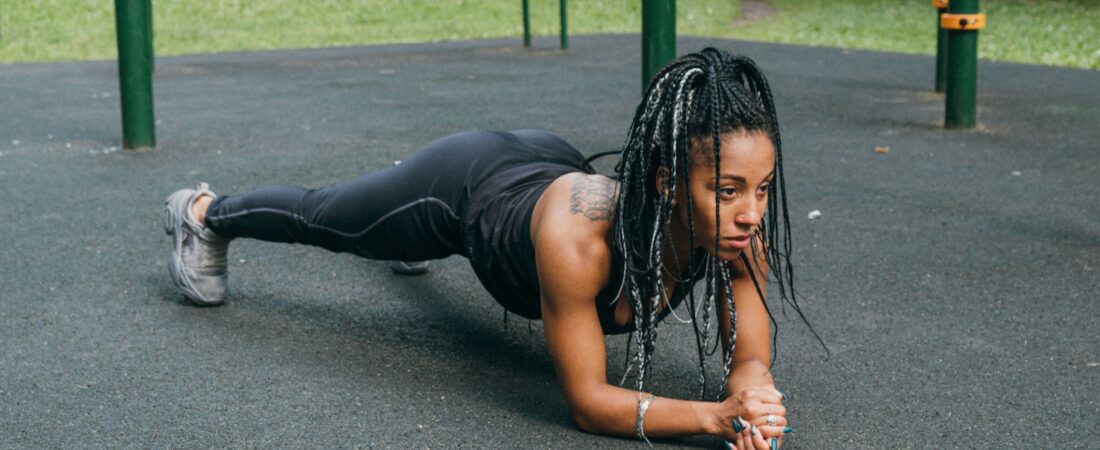
4. Modified Forearm Plank
Place your forearms on the floor and keep your knees on the ground.
Maintain a straight line from your shoulders to your knees while gently tightening your stomach muscles.
Hold the position for a comfortable amount of time before relaxing.
This modified version allows beginners to develop confidence before progressing to a full forearm plank.
5. Heel Taps
Lie on your back with your knees bent and your feet lifted so your knees are positioned above your hips.
Slowly lower one foot until your heel gently taps the floor before returning to the starting position.
Repeat with the opposite foot while keeping the movement slow and controlled.
This exercise helps beginners practise core control while maintaining a stable body position.
6. Seated Knee Lifts
Sit upright on a sturdy chair with both feet flat on the floor.
Slowly lift one knee toward your chest before lowering it back down and repeating with the opposite leg.
Avoid leaning backwards as you lift your knee.
This beginner-friendly exercise provides a simple introduction to core training while requiring very little space.
7. Standing March
Stand upright with good posture.
Slowly lift one knee toward your chest before lowering it and repeating on the opposite side.
Although this movement appears simple, your core muscles work to help keep your body stable throughout the exercise.
Beginners who need additional support can lightly hold onto a chair or countertop.
8. Side-Lying Leg Raises
Lie comfortably on one side with your legs extended and stacked on top of each other.
Slowly lift your top leg a comfortable distance before lowering it with control.
Repeat all repetitions before changing sides.
This exercise helps strengthen the muscles around your hips while also encouraging stability through your trunk.
How Often Should Beginners Train Their Core?
For many beginners, including core exercises two to three times per week is a practical starting point.
Rather than performing long or difficult workouts, focus on learning each exercise with good technique.
As your confidence improves, you can gradually increase the number of repetitions, hold positions for slightly longer or combine additional exercises into your routine.
Remember that building strength takes time.
Consistent practice is usually more effective than trying to complete an intense workout every day.
Common Mistakes
Holding Your Breath
Some beginners unknowingly hold their breath while performing core exercises.
Instead, breathe naturally throughout each movement.
Steady breathing can help you stay relaxed and maintain better control.
Moving Too Quickly
Core exercises are most effective when performed slowly and with control.
Rushing through the movements often makes it harder to maintain good technique.
Focusing Only on the Abdominal Muscles
Your core includes more than just your abdominal muscles.
Exercises that involve your hips, lower back and trunk can all contribute to improving overall core strength.
Doing Too Much Too Soon
Many beginners think they need long core workouts to see progress.
Starting with a few simple exercises and practising them consistently is often a more sustainable approach.
Frequently Asked Questions
Are core exercises good for beginners?
Yes.
Many core exercises are beginner-friendly because they require little or no equipment and can be modified to suit different fitness levels.
Do I need to do sit-ups?
No.
There are many beginner core exercises besides sit-ups, including bird dogs, dead bugs, glute bridges and modified planks.
How often should I train my core?
Many beginners include core exercises two or three times each week as part of a balanced strength routine.
Can I do core exercises every day?
Some people perform light core exercises daily, while others prefer allowing recovery between strength sessions.
Choose a routine that feels manageable and fits your overall exercise programme.
Do I need equipment?
Most beginner core exercises require no equipment.
However, an exercise mat can make floor-based exercises more comfortable.
Conclusion
Core exercises are an excellent way for beginners to build a strong foundation for everyday movement and future strength training.
They require little or no equipment, can be performed at home and help improve stability, posture and movement control.
Remember, you don’t need advanced exercises to begin strengthening your core.
Start with a few simple movements, focus on good technique and progress gradually as your confidence grows.
If you’re planning to exercise on the floor more regularly, checkout choosing the best exercise mats for home workouts to help you find an option that suits your needs.
To continue building your beginner strength routine, explore our guides on Bodyweight Squats for Beginners, Wall Push-Ups for Beginners and Resistance Band Exercises for Beginners.