Introduction
Thinking about buying a standing desk? Do standing desks really improve health? Are they worth the investment?
Over the past decade, standing desks have become increasingly popular among office workers, remote workers and anyone looking to reduce the amount of time they spend sitting each day. As awareness of sedentary lifestyles has grown, many people have started searching for practical ways to break up long periods of sitting.
One solution that often appears is the standing desk.
Supporters claim that standing desks can help reduce sitting time, encourage movement and improve comfort during the workday. Others argue that standing desks are overhyped and not worth the cost.
So, who’s right?
The truth lies somewhere in the middle.
Let’s explore the potential benefits, limitations and whether a standing desk might be a useful addition to your workspace.
What Is a Standing Desk?
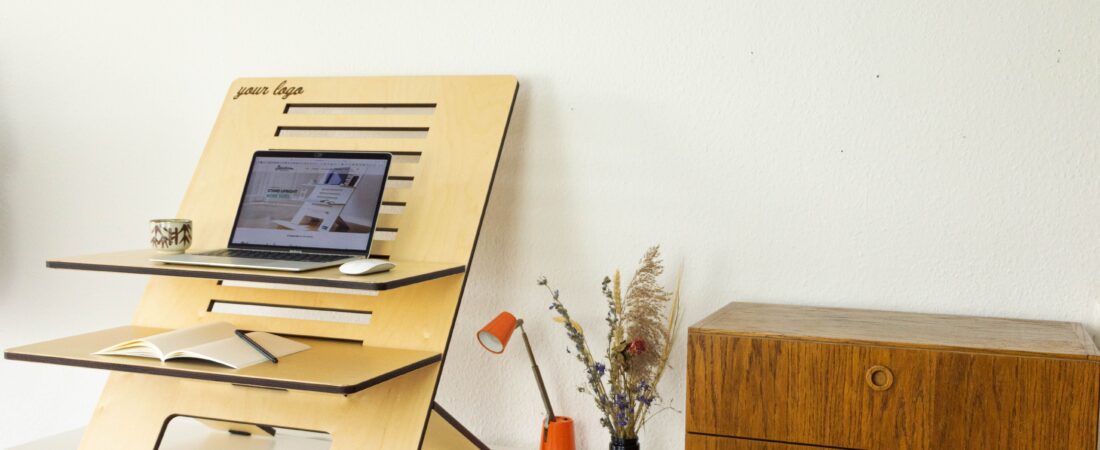
A standing desk is a workstation designed to allow users to work while standing instead of sitting.
There are several types of standing desks available.
Fixed Standing Desks
These desks are designed to be used only while standing and do not adjust in height.
Adjustable Standing Desks
These desks allow users to change the height of the desk manually or electronically.
Sit-Stand Desks
These are the most popular option. They allow users to alternate between sitting and standing throughout the day.
Many people who use standing desks do not stand all day. Instead, they alternate between sitting, standing and moving throughout the workday.
This is often considered the most practical approach.
Why Have Standing Desks Become Popular?
Standing desks have gained popularity largely because of growing awareness around sedentary lifestyles.
Modern work environments often require people to sit for long periods.
Examples include:
- Office work
- Remote work
- Studying
- Computer-based jobs
- Administrative tasks
Many adults spend six to ten hours per day seated, sometimes even longer.
As research and public health messages increasingly emphasize the importance of reducing prolonged sitting, many people have started looking for alternatives.
Standing desks are often marketed as a way to help people spend less time sitting during the workday.
This has made them particularly popular among professionals who spend most of their day at a computer.
Potential Benefits of Standing Desks
1. May Reduce Time Spent Sitting
One of the main advantages of a standing desk is that it provides an alternative to sitting.
Without a standing desk, many people remain seated almost continuously throughout the workday.
A standing desk creates opportunities to change position more frequently.
Even standing for short periods can help interrupt long stretches of uninterrupted sitting.
For individuals who spend most of the day at a desk, this may be one of the most valuable benefits.
2. Can Encourage More Movement
Interestingly, the biggest advantage of a standing desk may not be standing itself.
It may be the movement that often follows.
When people stand, they tend to:
- Shift positions more often
- Stretch more frequently
- Walk around more
- Take more movement breaks
Standing creates opportunities for movement that may not occur when sitting continuously.
This is an important distinction.
The goal is not simply to stand. The goal is to move more.
A standing desk can sometimes act as a reminder to change positions and avoid remaining stationary for long periods.
3. May Reduce Feelings of Stiffness
Many desk workers report feelings of stiffness after spending hours in the same position.
Common areas include:
- Lower back
- Hips
- Neck
- Shoulders
Some individuals find that alternating between sitting and standing helps reduce discomfort associated with remaining in one position all day.
This does not mean standing desks eliminate stiffness or discomfort.
However, changing positions regularly may feel more comfortable than remaining seated for hours at a time.
The key factor is variety of movement rather than any single position.
4. Can Increase Awareness of Movement Habits
One unexpected benefit of a standing desk is that it often makes people more aware of their daily habits.
Many people do not realize how long they sit until they begin alternating between sitting and standing.
Using a standing desk may encourage questions such as:
- How long have I been sitting?
- When did I last stand up?
- Should I take a short walk?
This increased awareness can help people become more intentional about incorporating movement into their day.
In this way, a standing desk can function as a behavioural reminder rather than simply a piece of furniture.
Are Standing Desks Better Than Sitting?
This is where many people misunderstand the purpose of standing desks.
The goal is not:
Sit all day
↓
Stand all day
The goal is:
Sit
↓
Stand
↓
Move
↓
Walk
↓
Repeat
Standing is not automatically superior to sitting.
In fact, remaining in any position for extended periods may become uncomfortable.
The healthiest approach is usually regular movement and position changes throughout the day.
A standing desk can support this goal, but it is not a replacement for movement.
When it comes to workplace health, movement wins.
Limitations of Standing Desks
1. Standing All Day Isn’t Ideal
Just as sitting all day may become uncomfortable, standing all day can also create problems.
Some people experience:
- Foot discomfort
- Leg fatigue
- Lower back discomfort
The solution is balance.
Alternating between sitting and standing is generally more realistic than standing continuously.
2. They Don’t Automatically Increase Fitness
A standing desk is not a workout.
Standing requires more effort than sitting, but it does not replace physical activity.
Some people mistakenly believe that buying a standing desk will dramatically improve their fitness levels.
In reality, regular walking, exercise and movement breaks remain important.
A standing desk should be viewed as a tool, not a substitute for exercise.
3. They Can Be Expensive
Standing desks range from relatively affordable desk converters to expensive electric sit-stand desks.
For some people, the cost may be worthwhile.
For others, simpler strategies may provide similar benefits at little or no cost.
Before purchasing a standing desk, it is worth considering whether your current habits are the real issue.
Do You Need a Standing Desk?
The honest answer is: maybe.
A standing desk may be useful if:
- You sit most of the day
- You enjoy alternating positions
- You frequently feel stiff after prolonged sitting
- It encourages you to move more
However, it is not mandatory.
Many people successfully improve their movement habits without purchasing any new equipment.
Walking breaks, exercise snacks and regular movement reminders can all help reduce prolonged sitting.
A standing desk is one option—not the only option.
Alternatives to a Standing Desk
If you are not ready to buy a standing desk, there are many ways to move more throughout the day.
A short walk every hour or two can help interrupt prolonged sitting.
Brief movement sessions such as squats, calf raises or desk push-ups can be performed throughout the day.
Standing During Phone Calls
Phone calls provide an easy opportunity to stand and move.
Regular Movement Breaks
Simply standing up, stretching and walking around periodically can make a meaningful difference.
The most effective strategy is often the one you can perform consistently.
Common Mistakes
Thinking Standing Desks Solve Everything
A standing desk is a tool, not a complete solution.
Movement remains the priority.
Standing All Day
Replacing one extreme with another is rarely ideal.
Alternating positions is often more practical.
Forgetting to Move
Some people buy a standing desk but remain stationary for hours.
Movement is still important.
Buying One Without Changing Habits
A standing desk cannot create healthy habits on its own.
Behaviour change remains essential.
Frequently Asked Questions
Are Standing Desks Worth It?
For some people, yes. A standing desk may help reduce sitting time and encourage more movement. However, it is not essential for everyone. Standing desks may be particularly useful for office workers, remote workers and people who spend long hours sitting at a computer.
Is Standing Better Than Sitting?
Neither standing nor sitting is ideal when performed continuously. Regular movement and position changes are generally the goal.
How Long Should I Stand at a Standing Desk?
There is no perfect amount. Many people alternate between sitting and standing throughout the day based on comfort.
Can a Standing Desk Improve Posture?
A standing desk may encourage position changes, but posture is influenced by many factors. Good workstation setup and movement habits remain important.
Do I Need a Standing Desk to Be Healthy?
No. Many people maintain healthy movement habits without using a standing desk.
Conclusion
Standing desks can be a useful tool for reducing sitting time and encouraging more movement throughout the day.
They may help some people become more aware of their movement habits, spend less time seated and feel more comfortable during long workdays.
However, standing desks are not a magic solution.
Whether you use a standing desk or not, small movement habits such as walking breaks, exercise snacks and regular position changes remain some of the most effective ways to support your health.
Remember, the healthiest workspace is not one where you sit all day or stand all day. It is one that encourages you to move.