Introduction
Would you like to become stronger without joining a gym? Looking for a simple workout that you can do at home with little or no equipment? Or perhaps you’re new to exercise and aren’t sure how to combine different exercises into one routine.
If so, a beginner home workout is an excellent place to start.
One of the biggest misconceptions about exercise is that you need expensive equipment or long workouts to make progress. In reality, many beginners can build strength and confidence using simple bodyweight exercises performed consistently at home.
Home workouts are convenient, flexible and easy to fit into busy schedules.
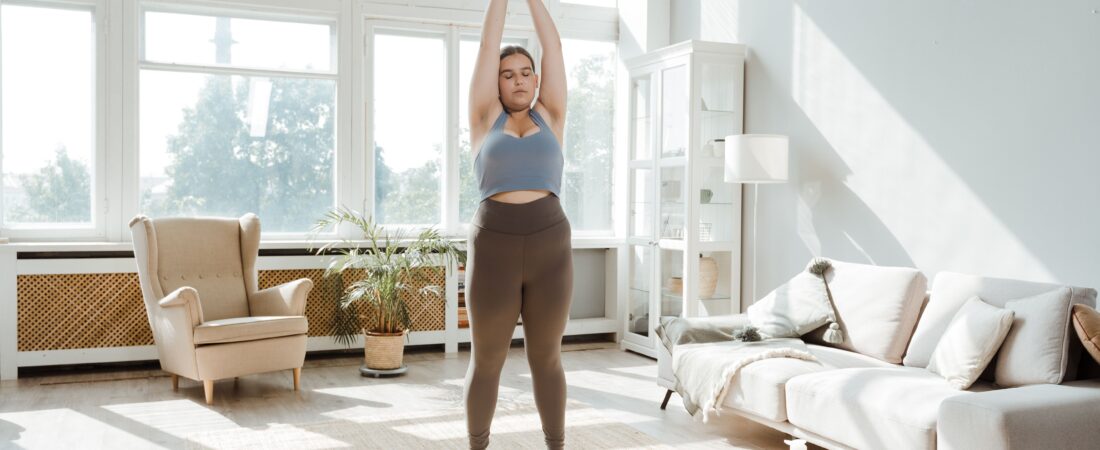
Whether you have 15 minutes before work or a short break during the day, you can complete an effective beginner workout using only your body weight and a small amount of space.
In this article, you’ll learn why home workouts are suitable for beginners and follow a simple no-equipment routine that combines many of the exercises we’ve covered throughout this guide.
If you’re completely new to strength training, begin with our article Bodyweight Exercises for Beginners: A Simple Guide to Building Strength Without Equipment before trying this workout.
Why Home Workouts Are Great for Beginners
1. Convenient
One of the biggest advantages of home workouts is convenience.
You don’t need to travel to a gym or wait for equipment to become available.
Instead, you can exercise whenever it best fits your schedule.
2. No Expensive Equipment Required
Many beginner exercises use only your body weight.
This means you can begin exercising without purchasing weights or machines.
As your confidence grows, you can decide later whether you’d like to add simple equipment such as resistance bands.
3. Flexible
Home workouts can easily be adjusted to suit your current fitness level.
You can:
- Exercise for 10–20 minutes.
- Reduce the number of repetitions.
- Take additional rest when needed.
- Progress gradually over time.
This flexibility helps beginners build routines that are easier to maintain.
4. Build Confidence
Many people feel nervous when starting exercise in a public gym.
Exercising at home allows you to learn new movements at your own pace without worrying about other people.
As your confidence grows, you’ll likely feel more comfortable trying new exercises and progressing your routine.
Before You Begin
Before starting your workout, spend a few minutes preparing your body.
A simple warm-up may help you feel more comfortable during exercise while allowing your body to transition from rest to movement.
Here is one example of a beginner-friendly warm-up:
- March on the spot for 1 minute.
- Perform 10 shoulder rolls forwards and backwards.
- Complete 10 gentle hip circles in each direction.
- Perform 8 comfortable bodyweight squats.
- Finish with 20 seconds of gentle arm circles.
The warm-up doesn’t need to be complicated.
The goal is simply to begin moving before starting your workout.
Beginner Home Workout Routine
This routine combines several beginner-friendly exercises that strengthen different parts of the body.
Complete each exercise with slow, controlled movements.
Rest for 30 to 60 seconds between exercises if needed.
1. Chair Sit-to-Stand
Repetitions: 8–10
Begin by sitting on a sturdy chair.
Stand up using your legs before slowly sitting back down with control.
This exercise prepares your lower body for more challenging movements while strengthening muscles used during everyday activities.
If you’d like to learn this movement in more detail, see our article Chair Exercises for Beginners: Simple Exercises to Build Strength and Improve Mobility.
2. Bodyweight Squats
Repetitions: 8–10
Stand with your feet about shoulder-width apart.
Slowly bend your hips and knees before returning to a standing position.
Focus on moving with good control rather than trying to squat as deeply as possible.
Our guide Bodyweight Squats for Beginners explains the technique step by step.
3. Wall Push-Ups
Repetitions: 8–10
Stand facing a sturdy wall with your hands placed approximately shoulder-width apart.
Slowly bend your elbows as you move towards the wall before pushing yourself back to the starting position.
Wall push-ups are an excellent way to begin building upper-body strength without performing traditional floor push-ups.
For detailed instructions, read Wall Push-Ups for Beginners: How to Build Upper Body Strength Step by Step.
4. Glute Bridges
Repetitions: 10–12
Lie on your back with your knees bent and your feet flat on the floor.
Press through your feet and slowly lift your hips until your body forms a comfortable straight line from your shoulders to your knees.
Lower your hips with control before repeating.
Glute bridges help strengthen the muscles around your hips and buttocks while complementing other lower-body exercises.
For a complete guide, read Glute Bridges for Beginners: How to Strengthen Your Hips and Glutes Safely.
5. Bird Dog
Repetitions: 8–10 each side
Begin on your hands and knees.
Slowly extend one arm forward while extending the opposite leg behind you.
Pause briefly before returning to the starting position and repeating on the other side.
The bird dog helps improve core stability, balance and coordination.
You can learn more about this movement in our article Beginner Core Exercises: 8 Simple Exercises to Build a Strong Foundation.
6. Standing March or Single-Leg Balance
Duration: 20–30 seconds each side
Finish your workout with a simple balance exercise.
You can either perform slow standing marches by lifting one knee at a time or practise balancing on one leg while lightly holding onto a chair if needed.
Balance exercises help improve stability and confidence during everyday movement.
Our guide Balance Exercises for Beginners: 8 Simple Exercises to Improve Stability and Confidence includes additional beginner-friendly balance exercises.
Cool Down
After completing your workout, spend a few minutes allowing your body to gradually return to a resting state.
A simple cool down may include:
- Walking slowly around the room for 2–3 minutes.
- Gentle calf stretches.
- Gentle hamstring stretches.
- Gentle chest and shoulder stretches.
- Slow, relaxed breathing.
There’s no need for an elaborate cool down.
The goal is simply to finish your workout feeling relaxed and comfortable.
Common Mistakes
Trying to Do Too Much Too Soon
Many beginners feel motivated to complete long workouts immediately.
Instead, start with one round of the routine if necessary and gradually increase the amount of exercise as your confidence improves.
Skipping the Warm-Up
Even a short warm-up can help prepare your body for movement.
Spending just a few minutes warming up is often worthwhile before beginning your workout.
Rushing the Exercises
Move slowly and with control throughout each exercise.
Good technique is more important than completing as many repetitions as possible.
Comparing Yourself With Others
Everyone starts from a different point.
Focus on building your own routine rather than comparing your progress with someone else’s.
Frequently Asked Questions
How many times a week should beginners do this workout?
For many beginners, completing this workout two to three times per week is a practical place to start.
Allow yourself time to recover between sessions while gradually building consistency.
How long does this workout take?
Most beginners can complete this routine in approximately 15 to 25 minutes, depending on the number of repetitions, rest periods and workout pace.
Do I need any equipment?
No.
This workout uses only bodyweight exercises and requires little more than enough space to move comfortably.
A sturdy chair is helpful for some exercises, and an exercise mat may make floor exercises more comfortable.
Can I lose weight with a beginner home workout?
Regular exercise can contribute to a healthy lifestyle.
However, body weight is influenced by many factors, including nutrition, daily activity, sleep and overall lifestyle habits.
Many people choose beginner home workouts because they help increase physical activity while building strength and confidence.
When should I make the workout harder?
Once you can complete the exercises comfortably with good technique, you may gradually increase the repetitions, perform an additional round or introduce simple equipment such as resistance bands.
Progress gradually rather than changing too many things at once.
Conclusion
A beginner home workout doesn’t need to be complicated to be effective.
By combining simple bodyweight exercises such as chair sit-to-stands, squats, wall push-ups, glute bridges, bird dogs and balance exercises, you can build strength and confidence from the comfort of your own home.
Remember, consistency matters more than perfection.
Start with a routine that feels manageable, focus on good technique and gradually build your confidence over time.
If you decide to expand your home workouts in the future, checkout choosing the best resistance bands, exercise mats and other home fitness equipment to help you continue progressing.
For more detailed instructions on each exercise, explore our guides on Bodyweight Squats for Beginners, Wall Push-Ups for Beginners, Glute Bridges for Beginners, Lunges for Beginners, Balance Exercises for Beginners and Beginner Core Exercises.